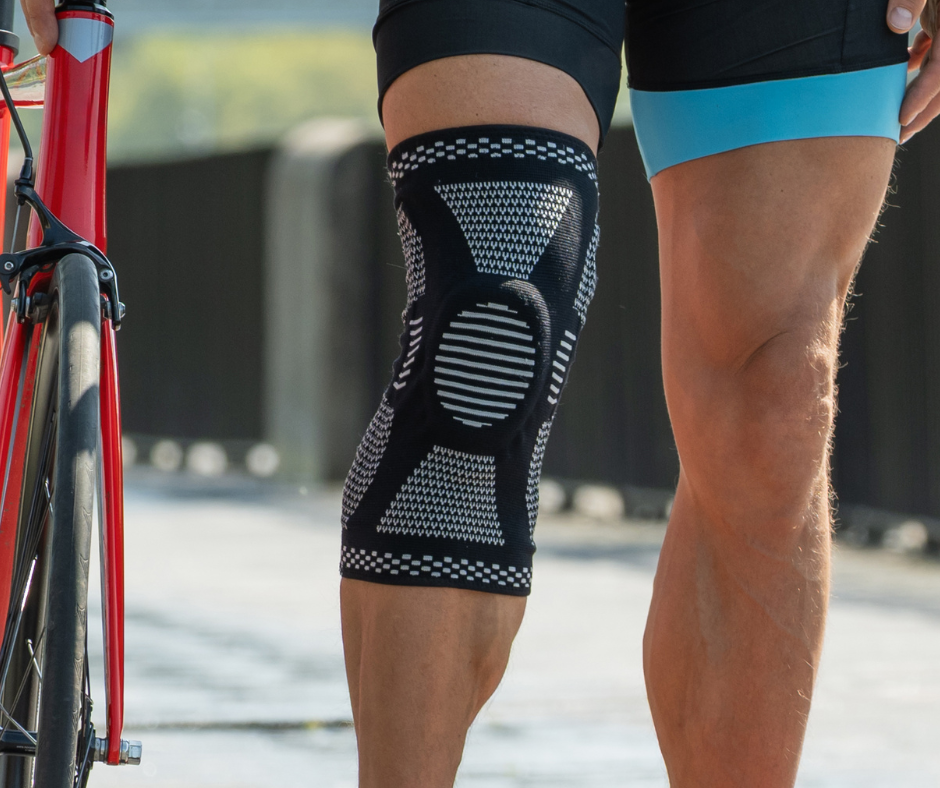

Knee pain can make walking feel uncertain, especially for seniors who already worry about balance, stairs, uneven sidewalks, or getting tired during errands.
A walking cane may help some seniors feel steadier and more supported during daily movement. It will not cure knee pain or fix arthritis, but the right cane may reduce some pressure on the painful side, improve confidence, and make short walks feel more manageable.
The key is choosing the right type of cane.
Not every cane is the same. Some are simple and lightweight. Some have wider bases for extra stability. Some fold for travel. Others have ergonomic handles that may feel better for seniors with hand or wrist discomfort.
This guide explains the best walking canes for seniors with knee pain, what features matter most, common mistakes to avoid, and how caregivers can help choose a safer option.
Why Seniors with Knee Pain May Use a Walking Cane
A cane is a simple mobility aid designed to provide extra balance and support while walking. For seniors with knee pain, it may be useful during short walks, errands, standing from a chair, or moving around the home.
The National Institute on Aging says using assistive devices such as canes and walkers correctly can help prevent falls, and that the device should be the right size and safe to use.
This matters because knee pain can affect how a senior walks. A painful knee may cause limping, shorter steps, less confidence, or uneven weight distribution. Over time, this may also place extra stress on the hip, back, or other knee.
A cane may help by:
- Adding balance support
- Reducing pressure on one side
- Helping with confidence while walking
- Supporting short daily movement
- Making errands feel less difficult
- Helping seniors move more safely on flat surfaces
A cane is not always enough for every senior. If balance is poor, both legs feel weak, or walking feels very unsafe, a walker or rollator may be more appropriate.

How a Walking Cane May Help with Knee Pain
A cane can provide support when used correctly. It may help shift some load away from the painful knee, especially when the cane is used on the opposite side of the affected leg.
For example, if the right knee hurts, the cane is usually held in the left hand. This helps the cane work with the painful leg during walking.
Mayo Clinic explains that a cane can improve balance or help with mobility after injury or disability, and recommends talking with a doctor, physical therapist, or health care professional for cane suggestions and safe use guidance.
A cane may be helpful for seniors with:
- Mild to moderate knee pain
- Arthritis-related knee discomfort
- Weak knees
- Mild balance concerns
- Knee stiffness while walking
- Discomfort during errands
- Uneven walking confidence
- Trouble walking longer distances
However, a cane should feel supportive, not awkward. If it causes shoulder, wrist, hand, back, or hip discomfort, the height, handle, or cane type may need adjustment.
Quick Comparison: Best Walking Cane Types for Seniors with Knee Pain
| Cane Type | Best For | Main Benefit | Possible Limitation |
|---|---|---|---|
| Single-Point Cane | Mild knee pain and light balance support | Lightweight and simple | Less stable than wider-base canes |
| Quad Cane | Seniors needing extra stability | Wider base for better support | Can feel heavier or slower |
| Folding Cane | Travel, errands, occasional use | Easy to store and carry | May feel less sturdy than fixed canes |
| Offset Handle Cane | Daily walking support | Better weight distribution | Needs correct height adjustment |
| Ergonomic Handle Cane | Hand or wrist discomfort | More comfortable grip | Handle shape may not suit everyone |
| Cane Seat | Rest breaks during outings | Combines cane and small seat | Not ideal for strong walking support |
Single-Point Walking Canes
A single-point cane is the most basic and common cane style. It has one tip at the bottom and is usually lightweight.
This type may work well for seniors who need mild support, but do not need a wide base.
Best For
A single-point cane may be useful for:
- Mild knee pain
- Light balance support
- Short walks
- Indoor use
- Seniors who want a simple cane
- People who do not want a bulky mobility aid
What to Look For
Choose a single-point cane with adjustable height, a comfortable handle, and a non-slip rubber tip. A senior should be able to stand upright while using it, without leaning forward or raising the shoulder.
Product Suggestion
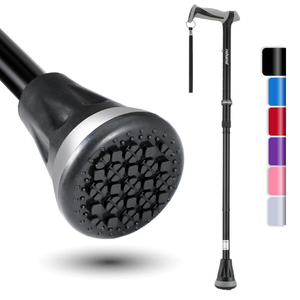
Product Type: Single-Point Walking Cane
Best For: Seniors with mild knee pain who need light balance support
Key Features: Adjustable height, lightweight frame, comfortable handle, non-slip rubber tip
Check Price on Amazon
Quad Canes for Extra Stability
A quad cane has a four-point base instead of a single tip. This wider base can provide more stability for seniors who feel less steady while walking.
Quad canes may be helpful for seniors with knee pain who also have mild balance concerns. The extra base support can make the cane feel more secure, especially while standing still.
Best For
A quad cane may be useful for:
- Seniors who need more stability than a single-point cane
- Weak knees
- Mild balance concerns
- Indoor walking
- Short outdoor movement
- Standing support
What to Consider
A quad cane can feel heavier and slower than a single-point cane. Seniors need to lift and place it correctly so the base does not catch on rugs, thresholds, or uneven surfaces.
For some seniors, the added stability is worth it. For others, it may feel too bulky.
Product Suggestion
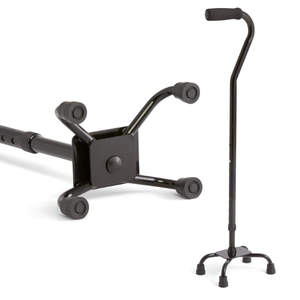
Product Type: Quad Cane
Best For: Seniors with knee pain who need extra stability while walking or standing
Key Features: Four-point base, adjustable height, stable support, comfortable grip, non-slip tips
Check Price on Amazon
Folding Canes for Travel and Errands
A folding cane is designed to collapse into smaller sections for storage. This can be helpful for seniors who only need a cane occasionally or want one for travel, appointments, shopping, or car rides.
Folding canes are popular because they are easy to store in a bag, car, or walker pouch.
Best For
A folding cane may be useful for:
- Occasional knee support
- Travel
- Doctor visits
- Shopping trips
- Seniors who do not need a cane all day
- Caregivers who want a backup mobility aid
What to Consider
A folding cane should still feel sturdy when opened. The joints should lock securely, and the handle should not wobble.
Seniors who need strong daily support may prefer a fixed cane instead.
Product Box Suggestion
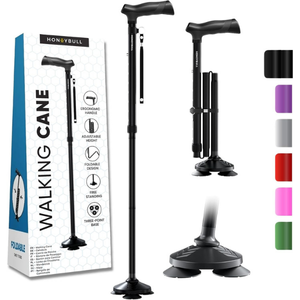
Product Type: Folding Walking Cane
Best For: Seniors who need occasional knee support during errands, travel, or appointments
Key Features: Foldable design, adjustable height, secure locking sections, lightweight frame, wrist strap
Check Price on Amazon
Offset Handle Canes for Daily Walking Support
An offset cane has a handle that is shaped slightly forward from the shaft. This design may help distribute weight more evenly through the cane.
Many seniors find offset canes comfortable for daily walking because they feel stable without being too bulky.
Best For
An offset handle cane may be useful for:
- Daily walking support
- Knee arthritis discomfort
- Mild to moderate knee pain
- Seniors who want better weight distribution
- Walking around the house or outside
What to Look For
Look for an offset cane with adjustable height, a soft or cushioned grip, a strong frame, and a secure rubber tip.
This can be a good middle option between a basic single-point cane and a heavier quad cane.
Product Box Suggestion
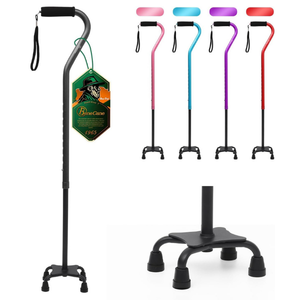
Product Type: Offset Handle Cane
Best For: Seniors with knee pain who want comfortable daily walking support
Key Features: Offset handle, adjustable height, cushioned grip, sturdy frame, non-slip cane tip
Check Price on Amazon
Ergonomic Handle Canes for Hand Comfort
Some seniors have arthritis or stiffness in the hands, wrists, or fingers. For them, the handle matters just as much as the cane base.
An ergonomic handle is designed to fit the hand more comfortably. It may reduce pressure on the palm and make the cane easier to grip.
Best For
An ergonomic handle cane may be useful for:
- Seniors with hand arthritis
- Wrist discomfort
- Weak grip strength
- Daily cane users
- Seniors who dislike standard curved handles
What to Consider
Handle comfort is personal. Some seniors prefer a foam grip. Others prefer a molded palm grip or derby-style handle.
If possible, choose a cane with a return option in case the handle does not feel right.
Product Suggestion
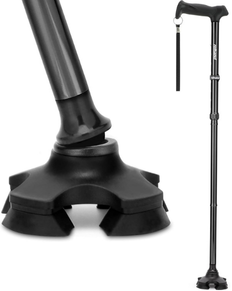
Product Type: Ergonomic Handle Walking Cane
Best For: Seniors with knee pain who also have hand, wrist, or grip discomfort
Key Features: Comfortable grip, adjustable height, lightweight frame, non-slip tip, easy-to-hold handle
Check Price on Amazon
Cane Seats for Rest Breaks
A cane seat combines a walking cane with a small fold-out seat. This type may be useful for seniors who need short rest breaks during outings.
However, cane seats are not ideal for everyone. They may not provide the same walking stability as a regular cane, and the seat must be used carefully on flat, stable ground.
Best For
A cane seat may be useful for:
- Seniors who tire during outings
- Waiting in lines
- Outdoor events
- Short rest breaks
- Caregiver-supervised use
What to Consider
A cane seat should be stable, easy to fold, and used only as directed. It may not be the best option for seniors with major balance issues.
Product Suggestion
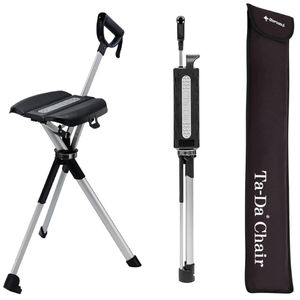
Product Type: Walking Cane with Seat
Best For: Seniors who need occasional rest breaks during outings or errands
Key Features: Fold-out seat, lightweight frame, stable base, easy folding design, comfortable handle
Check Price on Amazon
Cane vs Walker: Which Is Better for Knee Pain?
A cane is usually best when a senior needs light to moderate support on one side. A walker is often better when a senior needs more full-body stability.
The CDC notes that falls are a serious health concern for older adults and can reduce independence, but falls do not have to be inevitable as people age.
This is why choosing the right mobility aid matters.
A Cane May Be Better If
- Knee pain is mostly on one side
- The senior can walk fairly steadily
- Only light balance support is needed
- The senior wants something easy to carry
- The senior mostly walks short distances
A Walker May Be Better If
- Both legs feel weak
- Balance is poor
- The senior has had recent falls
- Walking feels unsafe even with a cane
- More weight support is needed
- The senior needs a seat for longer outings
If a senior is unsure whether a cane or walker is safer, it is best to ask a healthcare professional or physical therapist.
Buyer’s Guide: How to Choose the Best Walking Cane for Seniors with Knee Pain
Choosing a cane should not be based only on price or appearance. The right cane should match the senior’s height, strength, balance, hand comfort, and daily walking needs.
1. Choose the Right Cane Type
Start with the level of support needed.
For mild knee pain, a single-point cane may be enough.
For extra stability, a quad cane may be better.
For errands and travel, a folding cane may be practical.
For daily use, an offset cane may provide a good balance of comfort and support.
For hand pain, an ergonomic handle may be the most important feature.
2. Make Sure the Cane Is Adjustable
An adjustable cane is usually easier to fit properly. Cane height matters because a cane that is too high or too low can affect posture, balance, shoulder comfort, and walking safety.
Cleveland Clinic explains that learning how to use a cane correctly is important for safety and support.
3. Check the Handle Comfort
The handle should feel secure and comfortable. Seniors should not have to squeeze hard to control the cane.
Good handle options include:
- Foam grip
- Derby handle
- Offset handle
- Ergonomic palm grip
- Soft cushioned handle
4. Look for a Non-Slip Rubber Tip
The cane tip touches the floor with every step. A worn or slippery tip can increase fall risk.
Look for:
- Strong rubber tip
- Good floor grip
- Replaceable tip
- Tip size that matches the cane
- No cracking or uneven wear
5. Check the Weight Limit
Every cane has a weight capacity. Seniors and caregivers should check this before buying.
A cane should feel sturdy, not flimsy.
6. Consider Indoor and Outdoor Use
A cane used mostly indoors may need a smaller base to move around furniture.
A cane used outdoors may need stronger grip, better stability, or a wider base.
7. Think About Storage and Travel
If the cane is used only occasionally, a folding cane may be helpful. If it is used every day, a fixed or offset cane may feel sturdier.
How to Fit a Cane Safely
A cane should match the senior’s height and walking style.
General fitting tips include:
- Stand upright in regular walking shoes.
- Keep the arm relaxed at the side.
- The cane handle should usually line up around the wrist crease.
- The elbow should bend slightly when holding the cane.
- The senior should not lean heavily forward.
- The shoulder should stay relaxed, not raised.
A physical therapist or healthcare professional can help fit the cane correctly.
How Seniors with Knee Pain Should Use a Cane
For one-sided knee pain, the cane is commonly used on the opposite side of the painful knee.
For example:
- Right knee pain: hold the cane in the left hand.
- Left knee pain: hold the cane in the right hand.
This may feel strange at first, but it helps the cane support the painful side during walking.
General walking tips:
- Move the cane and painful leg forward together.
- Step through with the stronger leg.
- Take small, steady steps.
- Keep the cane close to the body.
- Avoid reaching too far ahead with the cane.
- Do not rush on stairs or uneven ground.
Seniors should practice in a safe indoor space before using a cane outside.
Safety and Comfort Tips for Seniors
A cane can help, but only when it is used safely.
Here are practical safety tips:
- Make sure the cane is the right height.
- Replace worn cane tips.
- Avoid slippery floors when possible.
- Remove loose rugs at home.
- Use handrails on stairs.
- Wear supportive, non-slip shoes.
- Do not use a cane with a loose handle.
- Avoid walking too fast.
- Keep the cane close to the body.
- Ask for help when walking on uneven ground.
- Use a walker instead if a cane does not feel stable enough.
The CDC reports that each year there are about 3 million emergency department visits due to older adult falls, which shows why fall prevention and safe mobility choices are so important.
Common Mistakes Seniors Should Avoid
Choosing a Cane That Is Too Short or Too Tall
Poor cane height can cause leaning, shoulder strain, or poor balance.
Holding the Cane on the Wrong Side
For one-sided knee pain, many seniors do better holding the cane on the opposite side of the painful knee.
Using a Worn-Out Rubber Tip
A slippery or worn cane tip can increase fall risk. It should be checked often.
Buying a Cane Only Because It Looks Nice
Appearance matters less than safety, fit, handle comfort, and stability.
Using a Cane When a Walker Is Needed
If a cane does not provide enough stability, a walker may be safer.
Walking Too Fast
A cane works best with steady, controlled steps.
Ignoring Hand Comfort
A poor handle can cause palm, wrist, or finger discomfort, especially for seniors with arthritis in the hands.
FAQs
What type of cane is best for seniors with knee pain?
The best cane depends on the senior’s balance and support needs. A single-point cane may work for mild knee pain, while a quad cane may be better for seniors who need extra stability. An offset cane may be a good daily-use option.
Is a quad cane better than a regular cane?
A quad cane may provide more stability because it has a wider four-point base. However, it can feel heavier and slower than a regular cane. It may be better for seniors who need extra balance support.
Which side should I use a cane on for knee pain?
For one-sided knee pain, the cane is usually held on the opposite side of the painful knee. For example, if the right knee hurts, the cane is usually held in the left hand.
Can a cane help with arthritis knee pain?
A cane may help some seniors with arthritis-related knee discomfort by improving balance and reducing some pressure during walking. It does not cure arthritis, but it may support safer daily movement.
Is a cane or walker better for seniors with knee pain?
A cane may be enough for mild to moderate one-sided knee pain. A walker may be better if the senior has poor balance, weakness in both legs, recent falls, or does not feel safe with a cane.
How do I know if a cane is the right height?
When standing upright, the cane handle should usually line up around the wrist crease, with a slight bend in the elbow when holding the cane. A healthcare professional or physical therapist can help confirm the right fit.
Are folding canes safe for seniors?
Folding canes can be useful for travel or occasional support, but they should lock securely and feel stable. Seniors who need strong daily support may prefer a fixed cane.
What should caregivers look for when buying a cane?
Caregivers should look for adjustable height, a comfortable handle, a non-slip tip, proper weight capacity, the right cane type, and a design the senior can use confidently.
Final Thoughts
The best walking cane for seniors with knee pain is the one that matches the senior’s real support needs.
A single-point cane may be enough for mild knee discomfort. A quad cane may offer more stability. A folding cane can be useful for travel and errands. An offset cane may work well for daily walking support. An ergonomic handle cane may be better for seniors with hand or wrist discomfort.
The most important features are proper height, a comfortable grip, a secure rubber tip, and enough stability for the senior’s walking ability.
A cane should make walking feel safer and more manageable. If it does not provide enough support, or if the senior still feels unsteady, a walker or professional mobility assessment may be a better next step.
Latest Posts
- Best Glucosamine Supplements for Seniors Over 60
- Hip Pain When Walking After 60: Common Causes and Support Tips
- Do Knee Braces Help Seniors with Arthritis Pain? A Simple Guide to Support and Comfort
- Best Walking Canes for Seniors with Knee Pain: A Practical Buying Guide
- What Supplements Are Commonly Used for Joint Support After 60?