

Joint stiffness, knee discomfort, hip aches, and slower movement can become more noticeable after 60. For many seniors, this leads to a common question:
Which supplements are commonly used for joint support?
The answer is not as simple as picking the most popular bottle online. Joint supplements vary by ingredient, quality, dosage, form, and safety considerations. Some may support comfort or flexibility for certain people, while others may not make a noticeable difference.
Supplements should also be treated carefully, especially for seniors who take prescription medications, blood thinners, diabetes medications, heart medications, or have existing health conditions. The National Institute on Aging explains that dietary supplements do not have to be approved by the FDA for safety and effectiveness before being sold, which means seniors should be cautious and informed before buying.
This guide explains the most common joint support supplements used after 60, what they are usually used for, what to look for before buying, and how seniors and caregivers can choose more wisely.
Why Seniors Look for Joint Support Supplements After 60
After 60, many people notice more stiffness, slower recovery, or discomfort in the knees, hips, hands, back, or shoulders. This may be related to aging joints, osteoarthritis, reduced activity, muscle weakness, inflammation, weight-bearing stress, or everyday wear and tear.
Some seniors look for joint supplements because they want support for:
- Knee stiffness
- Hip discomfort
- Arthritis-related joint concerns
- Morning stiffness
- Walking comfort
- Daily mobility
- Flexibility
- Cartilage and joint support
- General joint wellness
Supplements are not quick fixes. They do not replace good movement habits, supportive footwear, safe mobility aids, balanced nutrition, or medical care when needed.
But for some seniors, a carefully chosen supplement may be one part of a broader joint support routine.
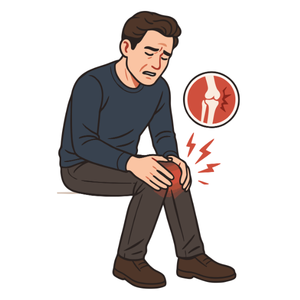
Common Joint Support Supplements After 60
Several supplement ingredients are commonly used by seniors who want joint support. The most common include glucosamine, chondroitin, collagen, turmeric or curcumin, omega-3 fatty acids, MSM, vitamin D, calcium, and Boswellia.
Some are used for cartilage support. Some are used for general inflammation support. Others are used for bone health, flexibility, or overall wellness.
Quick Comparison Table: Common Joint Supplements for Seniors
| Supplement Type | Commonly Used For | Best For | Key Buying Consideration |
|---|---|---|---|
| Glucosamine | Cartilage and joint comfort support | Seniors with knee or hip joint concerns | Often paired with chondroitin |
| Chondroitin | Cartilage support and joint comfort | Osteoarthritis-related joint support | May not be suitable for everyone |
| Collagen | Connective tissue and joint support | Seniors wanting general joint and tissue support | Look for type and serving size |
| Turmeric/Curcumin | Inflammation support | Seniors interested in plant-based support | Check absorption ingredients carefully |
| Omega-3 | General inflammation and heart-health support | Seniors who do not eat much fatty fish | Check EPA/DHA amount |
| MSM | Joint comfort and flexibility support | Seniors wanting simple joint support blends | Often included in combination formulas |
| Vitamin D | Bone and muscle function support | Seniors with low vitamin D intake or deficiency risk | Best guided by testing or professional advice |
| Calcium | Bone support | Seniors with low calcium intake | Avoid over-supplementing |
| Boswellia | Plant-based joint comfort support | Seniors interested in herbal joint blends | Check medication interactions |
Glucosamine for Joint Support After 60
Glucosamine is one of the most common joint supplement ingredients. It is often used by people with osteoarthritis, especially knee osteoarthritis.
Glucosamine is naturally found in the body and is involved in cartilage. Supplements usually come as glucosamine sulfate or glucosamine hydrochloride.
The National Center for Complementary and Integrative Health notes that glucosamine and chondroitin are sold in the United States as dietary supplements, separately or together. It also notes that chondroitin, with or without glucosamine, was the most commonly used supplement among people age 35 and older diagnosed with osteoarthritis in a 2017 U.S. survey.
What Seniors Should Know
Glucosamine may be considered by seniors who want joint comfort support, especially for knees. However, results can vary. Some people feel a difference, while others may not.
Seniors should be careful if they have shellfish allergies, since some glucosamine products may be derived from shellfish. People taking medications or managing chronic conditions should check with a healthcare professional before using it.
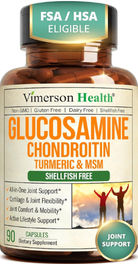
Product Suggestion
Product Type: Glucosamine Joint Supplement
Best For: Seniors looking for common joint and cartilage support ingredients
Key Features: Glucosamine sulfate or glucosamine HCl, clear dosage, third-party testing when available, easy-to-swallow form
Check Price on Amazon
Chondroitin for Joint Comfort
Chondroitin is another common joint supplement ingredient. It is often paired with glucosamine in joint support formulas.
Chondroitin is also connected to cartilage structure. Many seniors use glucosamine and chondroitin together because they are commonly marketed as a joint support combination.
What Seniors Should Know
Chondroitin may be used by seniors looking for joint comfort or cartilage support. However, like glucosamine, it does not work the same for everyone.
Seniors who take blood thinners or have bleeding concerns should be extra cautious and ask a healthcare professional before using chondroitin-containing supplements.
Collagen for Seniors Over 60
Collagen is a protein found in connective tissues, including skin, tendons, ligaments, and cartilage. Collagen supplements are often marketed for joint, skin, and tissue support.
For seniors, collagen may be appealing because joint comfort is often connected to more than the joint surface alone. Tendons, ligaments, and other soft tissues also play a role in movement.
Types of Collagen
Common collagen supplement types include:
- Type I collagen
- Type II collagen
- Type III collagen
- Hydrolyzed collagen peptides
- Undenatured type II collagen
Hydrolyzed collagen peptides are often sold as powders, capsules, or drink mixes. Type II collagen is commonly connected with joint support formulas.
What Seniors Should Look For
When choosing collagen, seniors should check:
- Collagen type
- Serving size
- Protein amount
- Added ingredients
- Sugar content in powders or drink mixes
- Whether it is easy to mix or swallow
Product Suggestion

Product Type: Collagen Supplement for Joint Support
Best For: Seniors who want connective tissue and general joint support
Key Features: Hydrolyzed collagen or type II collagen, clear serving size, low sugar, easy-to-mix powder or capsules
Check Price on Amazon
Turmeric and Curcumin for Joint Support
Turmeric is a yellow spice often used in cooking. Curcumin is one of the main active compounds found in turmeric.
Many seniors use turmeric or curcumin supplements because they are interested in plant-based inflammation support. The Arthritis Foundation lists curcumin among natural products that researchers have studied for osteoarthritis and rheumatoid arthritis symptoms.
However, it is important not to overstate the benefits. The National Center for Complementary and Integrative Health says there is not enough evidence to definitively conclude that turmeric or curcumin is beneficial for any health purpose. It also notes that highly bioavailable curcumin formulations may harm the liver.
What Seniors Should Know
Turmeric and curcumin supplements are not all the same. Some include black pepper extract, also called piperine, to improve absorption. But piperine may also affect how some medications are processed by the body.
Seniors taking medications should be careful with high-dose turmeric or curcumin supplements.
Product Suggestion
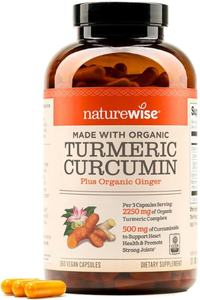
Product Type: Turmeric Curcumin Supplement
Best For: Seniors interested in plant-based joint comfort support
Key Features: Clear curcumin amount, cautious absorption support, no unnecessary fillers, third-party testing when available
Check Price on Amazon
Omega-3 Fatty Acids for Joint and Inflammation Support
Omega-3 fatty acids are found in fatty fish, flaxseed, chia seeds, walnuts, and supplements such as fish oil, krill oil, and algae oil.
The NIH Office of Dietary Supplements explains that omega-3s are found in foods such as fish and flaxseed as well as dietary supplements such as fish oil. The main omega-3s studied are ALA, EPA, and DHA.
Omega-3 supplements are often used for general inflammation support and heart-health support. Some seniors consider omega-3s when they do not eat much fish.
What Seniors Should Look For
When buying omega-3 supplements, seniors should check:
- EPA and DHA amount
- Serving size
- Fish oil, krill oil, or algae source
- Purity testing
- Enteric coating if fishy burps are a concern
- Whether the capsules are easy to swallow
Seniors taking blood thinners or preparing for surgery should ask a healthcare professional before using omega-3 supplements, especially at higher doses.
Product Suggestion
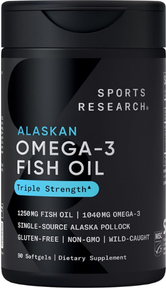
Product Type: Omega-3 Fish Oil or Algae Oil Supplement
Best For: Seniors who want general inflammation and wellness support
Key Features: EPA and DHA content listed, purified source, easy-to-swallow capsules, third-party tested when available
Check Price on Amazon
MSM for Joint Comfort and Flexibility
MSM stands for methylsulfonylmethane. It is a sulfur-containing compound often included in joint supplement blends.
Many products combine MSM with glucosamine, chondroitin, turmeric, or collagen.
What Seniors Should Know
MSM is commonly used for joint comfort and flexibility support. It is usually found in capsules, powders, or multi-ingredient joint formulas.
Because MSM is often included in combination supplements, seniors should check the full ingredient list carefully. A product may contain more than one active ingredient, which can increase the chance of unwanted effects or medication concerns.
Product Suggestion
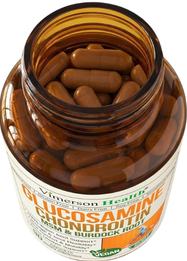
Product Type: MSM Joint Support Supplement
Best For: Seniors interested in joint comfort and flexibility support
Key Features: Clear MSM dosage, simple formula, easy-to-swallow capsules, minimal unnecessary additives
Check Price on Amazon
Vitamin D for Bone, Muscle, and Joint Health
Vitamin D is not usually thought of as a “joint supplement,” but it plays an important role in bone and muscle health.
Low vitamin D levels are more common in older adults, especially those who spend little time outdoors, have limited sun exposure, or follow restricted diets.
Vitamin D may support:
- Bone health
- Muscle function
- Balance support
- Overall mobility
- Calcium absorption
What Seniors Should Know
Vitamin D should not be guessed blindly. Too little can be a problem, but too much can also be unsafe.
Seniors should consider asking their healthcare provider whether vitamin D testing is appropriate before taking higher-dose supplements.
Calcium for Bone Support
Calcium is important for bone strength. Seniors may think about calcium when they are concerned about bone health, posture, mobility, or fracture risk.
However, calcium is not the same as a joint pain supplement. It supports bones, not cartilage repair or immediate joint comfort.
What Seniors Should Know
Some seniors get enough calcium from food. Others may need more support depending on diet and health needs.
Good calcium food sources include dairy products, fortified foods, leafy greens, and some canned fish with bones.
Seniors should avoid taking high-dose calcium supplements without guidance, especially if they have kidney concerns or take certain medications.
Boswellia for Herbal Joint Support
Boswellia, also known as Indian frankincense, is an herbal supplement used in some joint support formulas.
It is often marketed for joint comfort and inflammation support.
What Seniors Should Know
Boswellia may be included in capsules, tablets, or multi-ingredient joint blends. As with other herbal supplements, seniors should be cautious if they take prescription medications.
Herbal does not automatically mean safer. Seniors should check the ingredient list, dosage, and possible interactions.
Combination Joint Supplements: Helpful or Confusing?
Many Amazon joint supplements combine several ingredients into one formula. A product may include glucosamine, chondroitin, MSM, turmeric, Boswellia, collagen, and other nutrients.
Combination formulas can be convenient, but they can also make it harder to know what is helping or causing side effects.
Benefits of Combination Formulas
- Fewer bottles
- Common joint ingredients in one product
- Convenient daily routine
- Often designed for joint support
Downsides of Combination Formulas
- Harder to track which ingredient works
- Higher chance of medication interactions
- Some ingredients may be under-dosed
- More fillers or unnecessary extras
- Not ideal for seniors with sensitive stomachs
For seniors, simpler is often better. A clear formula with understandable ingredients is usually easier to evaluate than a long label full of unfamiliar compounds.
Product Suggestion
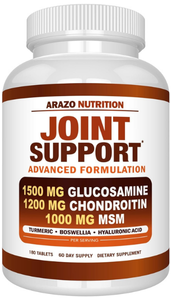
Product Type: Multi-Ingredient Joint Support Supplement
Best For: Seniors who prefer one joint support formula instead of multiple bottles
Key Features: Clear supplement facts label, common joint support ingredients, third-party testing, easy daily serving
Check Price on Amazon
Buyer’s Guide: How Seniors Can Choose a Joint Supplement
Choosing a joint supplement after 60 should be done carefully. The goal is not to buy the strongest-sounding product. The goal is to choose a supplement that is clear, safe, realistic, and appropriate.
1. Start With the Main Joint Concern
Before buying, identify the main problem.
Is the senior dealing with:
- Knee stiffness?
- Hip discomfort?
- Arthritis-related joint concerns?
- Morning stiffness?
- Walking discomfort?
- General joint support needs?
- Bone health concerns?
- Muscle weakness?
Different concerns may point to different supplement categories.
For example, glucosamine and chondroitin are commonly used for joint and cartilage support, while vitamin D and calcium are more related to bone health.
2. Check the Supplement Facts Label
The label should clearly show:
- Active ingredients
- Dosage per serving
- Serving size
- Other ingredients
- Allergen information
- Suggested use
- Manufacturer details
Avoid products that hide key ingredient amounts behind vague “proprietary blends.”
3. Look for Third-Party Testing
Third-party testing does not guarantee a product will work, but it may help with quality confidence.
Look for quality signals such as:
- USP
- NSF
- Informed Choice
- ConsumerLab testing
- GMP manufacturing claims
4. Avoid Unrealistic Claims
Be careful with products that claim to:
- Cure arthritis
- Rebuild joints fast
- Eliminate pain permanently
- Work overnight
- Replace medication
- Reverse aging joints
These claims are not trustworthy.
5. Consider Medication Interactions
This is very important for seniors.
Some supplements may interact with:
- Blood thinners
- Diabetes medications
- Blood pressure medications
- Heart medications
- Anti-inflammatory medications
- Surgery preparation instructions
Seniors should speak with a healthcare professional before starting a new supplement, especially if they take prescription medications.
6. Choose a Form That Is Easy to Take
Joint supplements come in different forms:
- Capsules
- Tablets
- Powders
- Gummies
- Liquids
- Softgels
Large tablets may be hard for some seniors to swallow. Powders may be easier for some people but may contain flavors, sweeteners, or added sugar.
Safety and Comfort Tips for Seniors Using Joint Supplements
Supplements should be used thoughtfully, especially after 60.
Here are practical safety tips:
- Start with one new supplement at a time.
- Read the full label before buying.
- Avoid mega-dose products unless advised by a professional.
- Watch for stomach upset, rash, dizziness, or unusual symptoms.
- Keep a list of all supplements and medications.
- Share that list with doctors and pharmacists.
- Stop using a product if it causes discomfort.
- Be cautious with herbal blends.
- Avoid duplicate ingredients across multiple supplements.
- Store supplements away from heat, moisture, and children.
Supplements work best as part of a larger routine that may include gentle movement, supportive shoes, good sleep, a balanced diet, safe mobility support, and weight-bearing comfort strategies.
Common Mistakes Seniors Should Avoid
Expecting Fast Results
Many joint supplements take time to evaluate. Some people may not notice any difference at all.
Taking Too Many Supplements at Once
Adding several supplements at the same time makes it hard to know what is helping or causing side effects.
Ignoring Medication Interactions
This is one of the most important mistakes to avoid. Supplements can interact with medications.
Buying Based Only on Reviews
Reviews can be helpful, but they are not medical evidence. Seniors should look at ingredients, safety, label clarity, and realistic claims.
Choosing Products With Too Many Ingredients
Long formulas may sound impressive, but they are not always better. Simple and clear labels are often easier to trust.
Forgetting About Diet and Movement
Supplements cannot replace balanced nutrition, safe exercise, supportive footwear, and healthy daily routines.
FAQs
What supplements are commonly used for joint support after 60?
Common joint support supplements after 60 include glucosamine, chondroitin, collagen, turmeric or curcumin, omega-3 fatty acids, MSM, vitamin D, calcium, and Boswellia.
Are joint supplements safe for seniors?
Some joint supplements may be safe for many seniors, but safety depends on the ingredient, dosage, medications, and health conditions. Seniors should be cautious and speak with a healthcare professional when needed.
What is the most common supplement for joint support?
Glucosamine and chondroitin are among the most commonly used joint support ingredients, especially for people interested in osteoarthritis-related joint support.
Is turmeric good for joint support after 60?
Turmeric or curcumin is commonly used for plant-based joint support, but evidence is not strong enough to say it definitely helps everyone. Seniors should also be cautious with high-dose or highly absorbable formulas.
Is collagen helpful for senior joint support?
Collagen is commonly used for connective tissue and joint support. Some seniors choose collagen peptides or type II collagen, but results can vary.
Can seniors take glucosamine and chondroitin together?
Many joint supplements combine glucosamine and chondroitin. However, seniors taking medications, especially blood thinners, should ask a healthcare professional before using them.
How long do joint supplements take to work?
Some joint supplements may take several weeks to evaluate. Others may not provide noticeable benefits. Seniors should avoid products that promise overnight results.
What should seniors look for in a joint supplement?
Seniors should look for clear ingredient labels, realistic claims, appropriate dosage, third-party testing when available, easy-to-take forms, and no unnecessary high-risk ingredients.
Final Thoughts
Joint supplements are commonly used by seniors who want support for stiffness, comfort, flexibility, and daily movement. The most common options include glucosamine, chondroitin, collagen, turmeric, omega-3 fatty acids, MSM, vitamin D, calcium, and Boswellia.
The best choice depends on the senior’s main concern, current medications, health history, and comfort preferences.
A good joint supplement should have a clear label, realistic claims, understandable ingredients, and a form that is easy to take. Seniors should be especially careful with multi-ingredient formulas, high-dose products, and herbal blends if they take medications.
Supplements may be one helpful part of a joint support routine, but they should not be treated as a cure or a replacement for safe movement, supportive products, balanced nutrition, and professional guidance when needed.
Why Hip Pain Gets Worse After 60: Common Reasons and Simple Support Tips
Compression Sleeve vs Knee Brace: Which Is Better for Seniors?
Best Joint Supplements for Seniors Over 60 (2026 Guide)
Best Supplements for Hip Pain After 60 (2026 Guide)