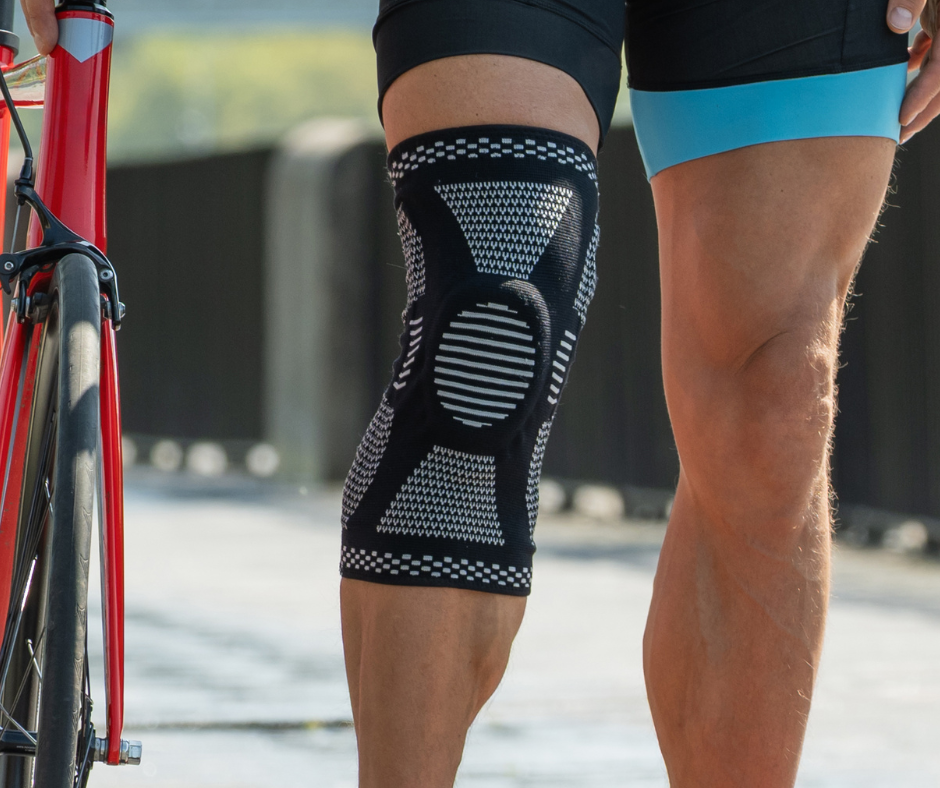
Knee discomfort can make everyday movement harder, especially for seniors who want to stay active, walk safely, climb stairs, or simply move around the home with more confidence.
When looking for knee support, two common options usually come up: a compression sleeve and a knee brace.
At first, they may seem similar. Both go around the knee. Both may provide support. Both are commonly used by people dealing with knee stiffness, arthritis discomfort, mild swelling, or weak knees.
But they are not the same.
A compression sleeve usually provides light, flexible pressure around the knee. A knee brace usually offers more structure, adjustment, and stability. For seniors, the better choice depends on the level of support needed, how easy the product is to put on, and what daily activities feel most difficult.
This guide explains the difference between a compression sleeve and a knee brace, when each one may be helpful, what seniors should look for before buying, and how to choose the right option for daily comfort and mobility.
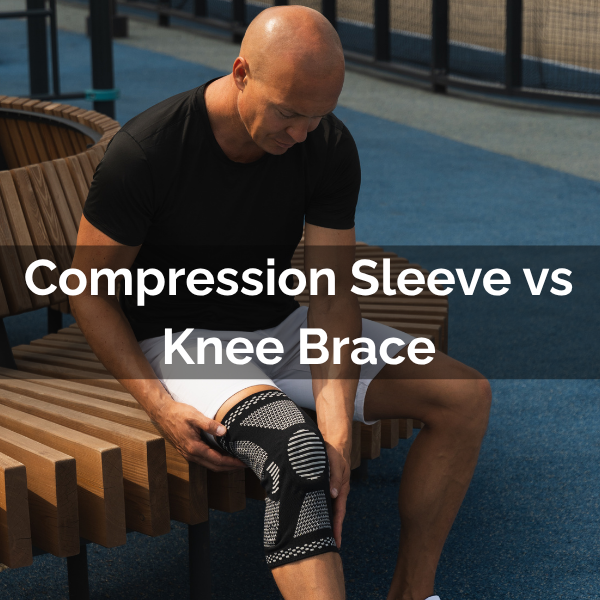
Compression Sleeve vs Knee Brace: What Is the Main Difference?
The main difference is the level and type of support.
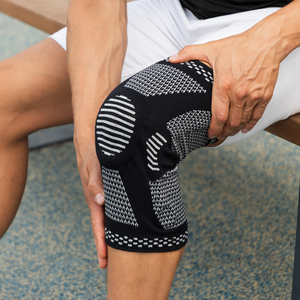
A compression sleeve is usually made from stretchy fabric. It slides over the knee and applies gentle pressure around the joint. It may help the knee feel warmer, more supported, and more comfortable during light activity.
A knee brace is usually more supportive and structured. It may include adjustable straps, side stabilizers, hinges, an open kneecap area, or thicker support materials. A knee brace is often used when the knee needs more stability than a basic sleeve can provide.
In simple terms:
A compression sleeve is best for light support and comfort.
A knee brace is best for stronger support and stability.
For seniors, this difference matters because the wrong option can feel uncomfortable, difficult to use, or not supportive enough.
Quick Comparison: Compression Sleeve vs Knee Brace for Seniors
| Feature | Compression Sleeve | Knee Brace |
|---|---|---|
| Support Level | Light to moderate | Moderate to firm |
| Best For | Mild stiffness, light swelling, daily comfort | Weak knees, arthritis support, walking stability, stairs |
| Ease of Movement | Very flexible | Depends on brace design |
| Ease of Use | May be hard to pull on | Wraparound styles are often easier |
| Adjustability | Usually limited | Often adjustable |
| Bulkiness | Slim and low-profile | Can be bulkier |
| Best Daily Use | Light walking, errands, mild discomfort | Walking support, stairs, instability, stronger support |
| Senior-Friendly Choice | Good if easy to pull on | Good if adjustable and not too heavy |
What Is a Compression Knee Sleeve?
A compression knee sleeve is a soft, stretchy support that fits around the knee. It is usually designed to apply gentle compression without adding hard structure.
Most compression sleeves are made from materials such as nylon, spandex, elastic knit fabric, or neoprene-style material. Some are thin and breathable, while others are thicker and warmer.
The purpose of a compression sleeve is not to lock the knee in place. Instead, it may help provide a snug, supportive feeling around the joint.
For seniors with mild knee stiffness or general discomfort, this simple support may be enough for everyday activities.
When a Compression Sleeve May Be Better for Seniors
A compression sleeve may be a better choice when the knee feels uncomfortable but still stable.
It may be helpful for seniors who do not feel like the knee is buckling, shifting, or giving out. It is usually better for light daily support rather than serious instability.
A Compression Sleeve May Be Useful For
- Mild knee stiffness
- Light swelling
- General knee discomfort
- Short walks
- Light errands
- Gentle exercise
- Mild arthritis discomfort
- Seniors who want a slim support under clothing
A sleeve may also be a good option for seniors who prefer a simple product without straps, hinges, or bulky materials.
Product Suggestion
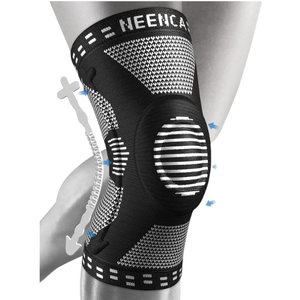
Product Type: Compression Knee Sleeve
Best For: Seniors with mild knee stiffness, light swelling, or daily walking discomfort
Key Features: Soft compression, breathable fabric, flexible fit, non-slip grip, easy sizing options
Check Price on Amazon
Benefits of Compression Sleeves for Seniors
Compression sleeves are popular because they are simple and easy to understand. For the right person, they can be a comfortable daily support option.
They Are Lightweight
Most compression sleeves are slim and not too bulky. This makes them easier to wear under loose pants or around the house.
They Allow Flexible Movement
Because a sleeve is made from stretchy fabric, it usually allows the knee to bend naturally. This can be helpful for seniors who want support without feeling restricted.
They May Help the Knee Feel Warm
Some seniors find that gentle warmth around the knee makes stiffness feel more manageable during movement.
They Are Usually Simple to Wear
Once the sleeve is on, there are usually no straps or buckles to adjust. This can be convenient for seniors who want a basic support option.
Limitations of Compression Sleeves
A compression sleeve is not always the best choice. Seniors should understand its limits before buying.
It May Not Provide Enough Stability
A sleeve may feel supportive, but it usually does not provide strong side support. If the knee feels weak, wobbly, or unstable, a sleeve may not be enough.
It Can Be Hard to Pull On
This is one of the biggest issues for seniors.
A compression sleeve usually has to be pulled over the foot, ankle, calf, and knee. This may be difficult for seniors with:
- Arthritis in the hands
- Limited bending
- Hip stiffness
- Poor balance
- Weak grip strength
- Swollen legs
- Larger calves or thighs
It May Roll Down
If the sleeve does not fit properly, it may slide, bunch, or roll down during walking. This can be uncomfortable and distracting.
It Offers Limited Adjustment
Most sleeves do not have straps. If the fit is not right, there may not be much you can do to adjust it.
What Is a Knee Brace?
A knee brace is a support product designed to give the knee more structure than a basic sleeve.
Some knee braces are soft and flexible. Others are firmer and include side stabilizers or hinges. Many braces use adjustable straps so the fit can be changed during the day.
Common types of knee braces include:
- Wraparound knee braces
- Hinged knee braces
- Open patella knee braces
- Closed patella knee braces
- Knee braces with side stabilizers
- Unloader-style braces
For seniors, the most practical options are usually adjustable wraparound braces and hinged knee braces, depending on the level of support needed.
When a Knee Brace May Be Better for Seniors
A knee brace may be better when the senior needs more than light compression.
If the knee feels weak, unstable, or difficult to trust during movement, a brace may provide more support than a sleeve.
A Knee Brace May Be Useful For
- Weak knees
- Mild instability
- Arthritis-related discomfort
- Trouble with stairs
- Longer walks
- Getting up from a chair
- Knees that feel unsteady
- Seniors who need adjustable support
A knee brace may also be easier for caregivers to help with, especially if it has a wraparound design.
Product Suggestion
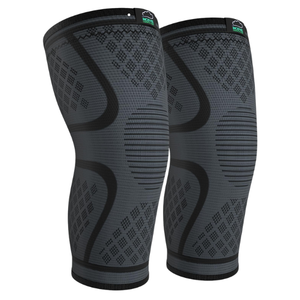
Product Type: Adjustable Wraparound Knee Brace
Best For: Seniors who need easier on-and-off knee support for walking, errands, or arthritis discomfort
Key Features: Adjustable straps, open wrap design, soft lining, non-slip support, comfortable daily fit
Check Price on Amazon
Benefits of Knee Braces for Seniors
Knee braces can be helpful when a senior needs extra support during daily movement.
They Can Offer More Stability
A structured knee brace may help the knee feel more secure during walking, standing, or climbing stairs.
Many Are Adjustable
Adjustable straps are useful because comfort needs can change throughout the day. A senior may want the brace slightly tighter during walking and looser while resting.
Wraparound Styles Are Often Easier
Many seniors find wraparound braces easier than pull-on sleeves. The brace opens up, wraps around the knee, and fastens with straps.
This can be helpful for seniors with limited flexibility or hand discomfort.
Some Braces Provide Side Support
Hinged braces or braces with side stabilizers may help seniors who need more support on the sides of the knee.
Product Box Suggestion
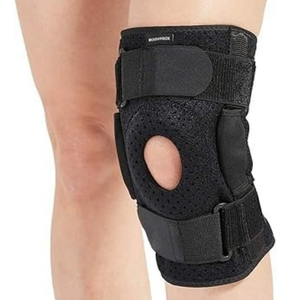
Product Type: Hinged Knee Brace
Best For: Seniors with weak knees, mild instability, or discomfort when using stairs
Key Features: Side stabilizers, adjustable straps, open patella design, supportive frame, secure fit
Check Price on Amazon
Limitations of Knee Braces
A knee brace can offer more support, but it can also have drawbacks.
Some Braces Feel Bulky
A hinged knee brace or heavy-duty support may feel too large under clothing. Some seniors may not like wearing a bulky brace for long periods.
They May Take Practice to Adjust
Straps, hinges, and kneecap openings need to be positioned correctly. If the brace is not lined up well, it may feel uncomfortable.
Poor Fit Can Cause Rubbing
A brace that is too tight, too loose, or poorly shaped can rub against the skin.
Not Every Senior Needs Strong Support
If the knee only needs mild comfort, a large brace may be unnecessary. A compression sleeve may be more comfortable for light use.
Compression Sleeve vs Knee Brace for Arthritis
For seniors with arthritis discomfort, both options may have a place.
A compression sleeve may be better when the main issue is mild stiffness, warmth, or light swelling.
A knee brace may be better when arthritis discomfort comes with weakness, reduced confidence, or difficulty walking on stairs.
For example, a senior who feels stiff in the morning but walks steadily may prefer a sleeve. A senior who feels the knee shift, wobble, or buckle may need the added structure of a brace.
A good internal link here would be your article on the best knee brace for seniors with arthritis.
Compression Sleeve vs Knee Brace for Walking
Walking is one of the most common reasons seniors look for knee support.
For light walking around the house, short errands, or mild stiffness, a compression sleeve may be enough.
For longer walks, uneven sidewalks, shopping trips, or walking with weak knees, a knee brace may provide more support.
The key question is simple:
Does the knee only feel uncomfortable, or does it also feel unstable?
If it only feels mildly uncomfortable, a sleeve may work well.
If it feels unstable, a brace may be the better choice.
Compression Sleeve vs Knee Brace for Stairs
Stairs can be challenging for seniors with knee pain or weak knees.
Going up and down stairs puts extra pressure on the knees. If the knee feels shaky or difficult to control, a compression sleeve may not provide enough support.
For stairs, many seniors may do better with:
- An adjustable wraparound knee brace
- A hinged knee brace
- A knee brace with side stabilizers
- An open patella brace if kneecap comfort is a concern
Product Box Suggestion
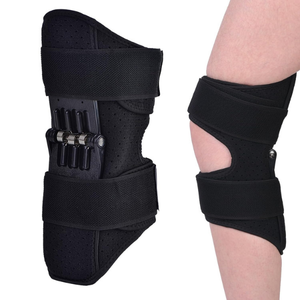
Product Type: Knee Brace for Stair Support
Best For: Seniors who need extra knee stability when going up or down stairs
Key Features: Firm side support, adjustable compression, secure straps, non-slip fit, comfortable bending
Check Price on Amazon
Compression Sleeve vs Knee Brace for Overweight Seniors
Overweight seniors should pay special attention to sizing, comfort, and adjustability.
A compression sleeve may roll down or feel too tight if the size is not right. Some sleeves may also be difficult to pull over larger calves or thighs.
A wraparound knee brace may be easier because it allows more control over the fit. Adjustable straps can help the brace feel secure without being overly tight.
Important features for overweight seniors include:
- Larger size options
- Wide adjustable straps
- Non-slip design
- Soft edges
- Breathable material
- Comfortable fit behind the knee
- Easy return options when buying online
A good internal link here would be your article on the best knee brace for overweight seniors.
Which Is Easier for Seniors to Put On?
For many seniors, a wraparound knee brace is easier to put on than a compression sleeve.
A compression sleeve must usually be pulled up from the foot. This can be hard for seniors who have trouble bending or balancing.
A wraparound knee brace opens fully and fastens around the knee. This can be easier for older adults and caregivers.
However, some seniors still prefer sleeves because they are simple once they are in place. The best choice depends on the person’s flexibility, hand strength, and comfort.
Buyer’s Guide: How to Choose the Right Knee Support for Seniors
Choosing between a compression sleeve and a knee brace becomes easier when you focus on the senior’s real daily needs.
Choose a Compression Sleeve If
- The knee pain is mild
- The knee feels stiff but stable
- The senior wants light support
- The support is mostly for short walks
- The senior wants something slim under clothing
- The senior can safely pull the sleeve on and off
Choose a Knee Brace If
- The knee feels weak
- The knee feels unstable
- The senior struggles with stairs
- Adjustable support is needed
- A caregiver may help put it on
- The senior needs more structure while walking
Choose a Wraparound Brace If
- Ease of use matters most
- Pull-on sleeves are difficult
- The senior has limited flexibility
- The knee size changes due to swelling
- Adjustable compression is important
Choose a Hinged Brace If
- The knee needs side support
- The senior wants stronger stability
- Stairs feel difficult
- The knee feels wobbly during movement
Safety and Comfort Tips for Seniors
Knee support should make movement feel safer and more comfortable. It should not create new discomfort.
Before using a sleeve or brace, seniors should keep these tips in mind:
- Measure the leg before buying.
- Start by wearing the support for short periods.
- Check the skin after removing it.
- Avoid anything that causes numbness or tingling.
- Do not wear it so tight that it leaves deep marks.
- Make sure it does not slide down while walking.
- Wear supportive shoes with good traction.
- Keep the brace or sleeve clean and dry.
- Remove it if discomfort gets worse.
- Use a cane or walker if balance is still a concern.
If knee pain is sudden, severe, worsening, or connected to a fall or injury, it is better to seek professional guidance instead of relying only on a sleeve or brace.
Common Mistakes Seniors Should Avoid
Choosing the Tightest Fit
A tighter sleeve or brace is not always better. It should feel snug, not painful.
Buying Without Measuring
Sizing can vary between products. Seniors should measure the leg and check the sizing chart before buying.
Choosing a Sleeve When Stability Is Needed
A compression sleeve may not be enough if the knee feels weak, shaky, or unstable.
Choosing a Bulky Brace for Mild Stiffness
If the knee only needs light support, a heavy brace may feel uncomfortable and unnecessary.
Ignoring Ease of Use
If the senior cannot put the support on easily, it may not be used often. Ease of use is very important.
Wearing It Too Long Without Checking the Skin
Seniors should check for redness, rubbing, or irritation, especially if they have sensitive skin.
FAQs
Is a compression sleeve better than a knee brace for seniors?
A compression sleeve may be better for seniors with mild stiffness, light swelling, or general knee discomfort. A knee brace may be better for seniors who need more stability, especially when walking, climbing stairs, or dealing with weak knees.
Can seniors wear a compression sleeve every day?
Some seniors wear a compression sleeve during daily activities such as walking, errands, or light exercise. It should feel comfortable and should not cause numbness, tingling, or skin irritation.
Is a knee brace good for seniors with arthritis?
A knee brace may help some seniors with arthritis-related knee discomfort feel more supported during movement. It does not cure arthritis, but it may provide comfort and stability for some people.
Which is easier to put on, a compression sleeve or a knee brace?
A wraparound knee brace is often easier for seniors because it opens and fastens around the knee. A compression sleeve usually has to be pulled over the foot and leg, which can be harder for seniors with limited flexibility.
Should seniors use a hinged knee brace?
A hinged knee brace may be useful for seniors who need extra side support or feel that the knee is weak or unstable. For mild stiffness, a simpler compression sleeve or wraparound brace may be enough.
Can a knee sleeve help with walking?
A knee sleeve may help the knee feel supported and warm during light walking. If the knee feels unstable or likely to buckle, a more structured knee brace may be a better option.
How tight should a knee sleeve or brace be?
It should feel snug but not painful. It should not cause numbness, tingling, sharp pressure, or deep marks on the skin.
What is the best knee support for seniors with weak knees?
For weak knees, many seniors may benefit from an adjustable knee brace or hinged knee brace instead of a basic compression sleeve. The best choice depends on comfort, fit, and how much support is needed.
Final Thoughts
A compression sleeve and a knee brace can both be helpful, but they are designed for different needs.
A compression sleeve is usually best for seniors who want light support, mild compression, and flexible comfort during daily activities. It may be a good choice for stiffness, light swelling, or short walks.
A knee brace is usually better when more stability is needed. Seniors who struggle with weak knees, stairs, longer walks, or arthritis-related instability may feel more supported with an adjustable or hinged brace.
The best choice is not always the strongest product. It is the one that fits well, feels comfortable, is easy to use, and supports the senior’s daily movement safely.
More Blogs:
Best Knee Brace for Seniors with Arthritis (2026 Guide)
Best Knee Brace for Overweight Seniors