
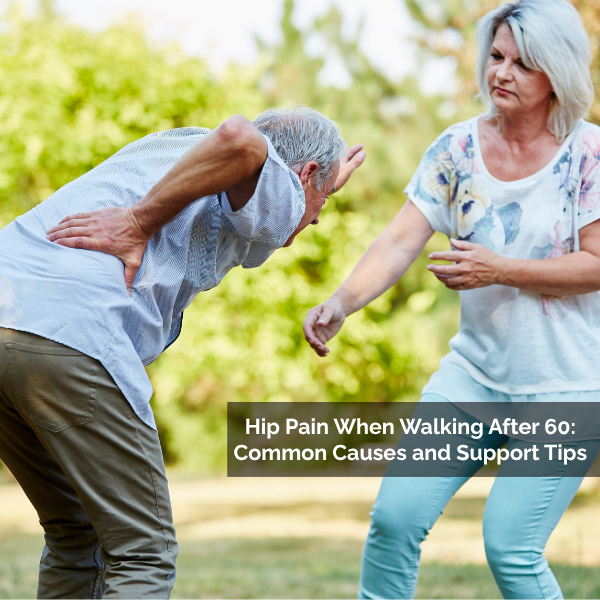
Hip pain when walking after 60 can be frustrating because walking is part of everyday independence.
A short trip to the mailbox, a walk through the grocery store, climbing a curb, or standing during errands can suddenly feel harder when the hip starts aching, tightening, or feeling weak. Some seniors feel pain in the front of the hip or groin. Others feel it on the outside of the hip, in the buttock, or down toward the thigh.
The reason matters because hip pain is not always caused by the hip joint itself. It may come from arthritis, bursitis, tendons, muscles, walking posture, footwear, balance problems, or even the lower back.
This guide explains common reasons hip pain may happen when walking after 60, simple support tips, and helpful product types seniors and caregivers may consider for safer, more comfortable daily movement.
Why Hip Pain Can Happen When Walking After 60
The hip is a large weight-bearing joint. It helps support the body when standing, walking, bending, turning, and climbing stairs.
After 60, the joint and surrounding tissues may become more sensitive because of age-related changes, arthritis, reduced strength, balance concerns, old injuries, or changes in walking habits.
Hip pain can come from many places. Mayo Clinic notes that hip pain can be caused by arthritis, injuries, bursitis, and other conditions. The location of the pain can also give clues about what may be causing it.
For example:
- Pain inside the hip or groin may be more related to the hip joint.
- Pain on the outside of the hip may be related to muscles, tendons, or bursae.
- Pain in the buttock or down the leg may sometimes involve the lower back.
This is why hip pain when walking should be understood carefully instead of assuming it is always “just arthritis.”
Common Causes of Hip Pain When Walking After 60
Hip pain while walking can have several possible causes. Some are related to the joint itself. Others come from soft tissues, weakness, posture, or walking mechanics.
1. Hip Osteoarthritis
Hip osteoarthritis is one of the most common reasons older adults experience hip pain while walking.
Osteoarthritis can cause joint pain, stiffness, and difficulty moving the affected joint. The NHS notes that hip osteoarthritis may cause pain in the groin or outside the hip.
Seniors with hip arthritis may notice:
- Pain when walking
- Stiffness after sitting
- Trouble getting up from a chair
- Pain in the groin, thigh, or buttock
- Reduced hip movement
- Limping
- Discomfort on stairs
- Pain that improves with rest
Hip arthritis pain may start mildly and become more noticeable over time. It may feel worse after longer walks, standing too long, or walking on uneven ground.
2. Hip Bursitis
Bursae are small fluid-filled sacs that help reduce friction around joints. When a bursa near the hip becomes irritated, it may cause pain on the outside of the hip.
Cleveland Clinic explains that trochanteric bursitis can cause hip pain that gets worse when moving or using the hip, including walking upstairs.
Seniors with hip bursitis-type discomfort may notice:
- Pain on the outside of the hip
- Tenderness when lying on one side
- Pain after walking
- Discomfort when climbing stairs
- Aching around the outer thigh
- Pain when getting up from a low chair
This pain can sometimes feel sharp at first, then become more achy over time.
3. Weak Hip and Leg Muscles
Walking depends on more than the hip joint. The muscles around the hip, thighs, core, and lower back all help support movement.
After 60, some seniors become less active because of joint pain, fear of falling, fatigue, or balance concerns. When activity decreases, muscles may become weaker.
Weak muscles can make the hip work harder during walking. This may lead to discomfort, fatigue, or a feeling that the leg is not as steady as before.
Signs of weakness may include:
- Difficulty getting out of a chair
- Feeling tired after short walks
- Trouble climbing stairs
- Feeling unsteady
- Shorter steps
- Needing to hold furniture while walking indoors
A support product may help with comfort, but long-term mobility often also depends on safe movement and strength.
4. Tendon or Soft Tissue Irritation
Pain around the hip can also come from tendons, ligaments, and soft tissues.
This may happen when a senior walks more than usual, changes shoes, climbs stairs often, walks on uneven surfaces, or has a limp that places extra strain on nearby tissues.
Cleveland Clinic lists bursitis, arthritis, injuries, and structural problems among possible causes of hip pain. It also notes that hip pain may happen when walking or moving and may improve with rest.
Soft tissue discomfort may feel like:
- Aching around the side of the hip
- Tightness near the upper thigh
- Tenderness after walking
- Pain after stairs
- Soreness after errands
- Pain that improves with rest
5. Lower Back or Nerve-Related Pain
Sometimes pain that feels like hip pain may actually come from the lower back.
This can happen when nerves or structures in the lower back refer pain toward the hip, buttock, or leg. Mayo Clinic notes that hip pain may sometimes be referred from the lower back.
Possible signs that the lower back may be involved include:
- Pain in the buttock
- Pain traveling down the leg
- Numbness or tingling
- Pain that changes with back position
- Pain after standing for a long time
- Weakness in the leg
If a senior has numbness, tingling, weakness, or pain traveling down the leg, it is better to seek professional guidance.
6. Poor Footwear
Shoes affect how the feet, knees, hips, and back handle pressure during walking.
Unsupportive shoes may increase strain on the hips, especially if they are worn out, slippery, too flat, too loose, or lacking cushioning.
Seniors should be careful with:
- Old slippers
- Worn-out walking shoes
- Loose sandals
- Shoes with poor grip
- Shoes that cause limping
- Shoes with uneven soles
- Footwear that does not support balance
Good shoes will not cure hip pain, but they may help support safer walking and better comfort.
Product Suggestion
Product Type: Supportive Walking Shoes for Seniors
Best For: Seniors who need better comfort, grip, and support during daily walks
Key Features: Non-slip outsole, cushioned support, roomy toe box, lightweight feel, easy closure
Button Text: Check Price on Amazon
7. Walking Too Far or Too Fast
Some seniors feel fine at the start of a walk but notice hip pain after several minutes.
This may happen because the hip joint or surrounding muscles become irritated with repeated movement. Walking too far, too fast, or on uneven ground may increase discomfort.
Common triggers include:
- Long grocery trips
- Walking on hills
- Walking on uneven sidewalks
- Standing in lines
- Fast walking
- Carrying heavy bags
- Walking without rest breaks
A simple change, such as shorter walks with rest breaks, may help some seniors stay active without overdoing it.
8. Balance Problems or Fear of Falling
Hip pain and balance concerns often affect each other.
If a senior feels unsteady, they may change how they walk. They may take shorter steps, lean to one side, hold the body stiffly, or avoid putting full weight on one leg. These changes may increase strain on the hip, knee, or back.
A cane or walker may help some seniors feel more secure while walking. The NHS says people with osteoarthritis in the hip or knee that affects mobility may need a walking aid, such as a stick or cane.
Product Suggestion
Product Type: Adjustable Walking Cane
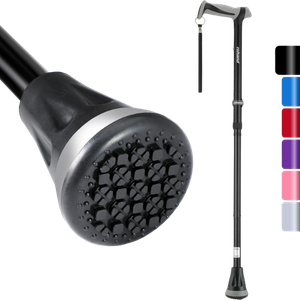
Best For: Seniors who need extra balance support during short walks or errands
Key Features: Adjustable height, comfortable grip, lightweight frame, non-slip rubber tip
Check Price on Amazon
Hip Pain Location: What It May Suggest
The location of hip pain can sometimes help seniors describe the problem more clearly.
| Pain Location | What It May Suggest | Common Walking Concern |
|---|---|---|
| Groin or front of hip | Hip joint irritation or arthritis-related discomfort | Pain while walking, bending, or standing |
| Outside of hip | Bursitis or soft tissue irritation | Pain after walking or lying on one side |
| Buttock area | Lower back, pelvis, or soft tissue involvement | Pain after standing or walking |
| Front thigh | Hip joint or referred pain | Aching during movement |
| Hip and knee together | Walking pattern changes or joint compensation | Limping, reduced confidence, uneven steps |
This table is not for diagnosis. It simply helps seniors and caregivers better understand what to watch for.
When Hip Pain While Walking May Need Medical Attention
Mild hip discomfort may come and go, but some symptoms should not be ignored.
Seniors should seek professional guidance if hip pain:
- Starts after a fall or injury
- Is sudden or severe
- Makes it hard to bear weight
- Gets worse over time
- Causes major swelling or redness
- Comes with fever
- Causes numbness, tingling, or weakness
- Wakes them at night repeatedly
- Does not improve with rest or simple changes
The NHS recommends getting medical help for persistent osteoarthritis symptoms so the cause can be confirmed and treatment can be discussed.
Buyer’s Guide: Helpful Products for Hip Pain When Walking
The right product depends on what makes the hip pain worse.
A senior who has pain during long walks may need different support than someone who feels pain after sitting or while sleeping.
Walking Canes
A cane may help some seniors with one-sided hip discomfort or balance concerns.
Look for:
- Adjustable height
- Comfortable grip
- Non-slip rubber tip
- Lightweight design
- Proper weight capacity
- Easy handling
A cane should be fitted correctly. If it is too tall or too short, it may cause shoulder, wrist, or back discomfort.
Product Suggestion
Product Type: Senior Walking Cane

Best For: Seniors with hip discomfort, mild balance concerns, or one-sided walking support needs
Key Features: Adjustable height, ergonomic handle, non-slip tip, sturdy frame, lightweight design
Check Price on Amazon
Rollator Walkers
A rollator walker may be useful for seniors who need more support than a cane. Many rollators include a seat, which can help during longer outings.
A rollator may be better when:
- Walking feels unsafe with a cane
- Both legs feel weak
- Rest breaks are needed
- The senior gets tired quickly
- Balance is a major concern
Look for a rollator with locking brakes, proper handle height, a comfortable seat, and easy folding.
Product Suggestion
Product Type: Rollator Walker
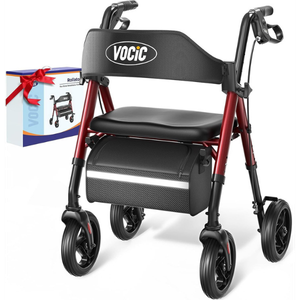
Best For: Seniors who need more walking support and rest breaks during errands or outdoor walks
Key Features: Locking brakes, padded seat, adjustable handles, storage pouch, easy-fold frame
Check Price on Amazon
Supportive Walking Shoes
Walking shoes can affect hip comfort more than many people realize.
Look for:
- Non-slip soles
- Good cushioning
- Stable heel support
- Roomy toe box
- Easy closure
- Lightweight feel
- Good fit with socks or orthotics if used
Avoid shoes that slide, pinch, or make walking feel uneven.
Seat Cushions
Some seniors feel hip pain when walking after sitting for a long time. A supportive cushion may help reduce pressure and make sitting more comfortable.
Look for:
- Firm but comfortable support
- Non-slip bottom
- Washable cover
- Proper size for the chair
- Stable shape that does not flatten too quickly
Product Suggestion
Product Type: Supportive Seat Cushion
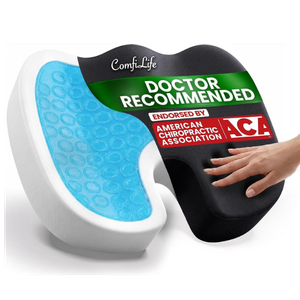
Best For: Seniors who feel hip stiffness or discomfort after sitting before walking
Key Features: Pressure-relief design, firm support, non-slip bottom, washable cover
Check Price on Amazon
Heating Pads
Some seniors use gentle heat for temporary stiffness or comfort before movement. Heat should be used carefully and should not be too hot.
Look for:
- Adjustable heat settings
- Auto shut-off
- Soft cover
- Easy controls
- Flexible shape for hip area
Product Suggestion
Product Type: Heating Pad for Hip and Joint Comfort
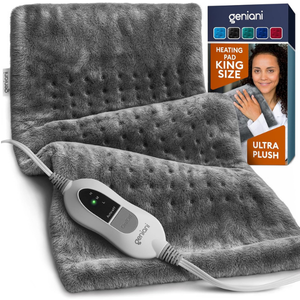
Best For: Seniors who want soothing warmth for stiffness before or after walking
Key Features: Adjustable heat settings, auto shut-off, soft cover, simple controls
Check Price on Amazon
Simple Support Tips for Hip Pain When Walking
Small changes may help seniors walk more comfortably and safely.
Start with Shorter Walks
Instead of one long walk, try shorter walks with rest breaks.
For example:
- Walk for 5 to 10 minutes
- Rest
- Walk again if comfortable
This may be easier than forcing one long trip.
Use Support When Needed
If balance feels uncertain, a cane or walker may help. It is better to use support than to risk a fall.
Wear Better Shoes Indoors Too
Many falls and joint strain issues happen inside the home. Avoid loose slippers or slippery socks on hard floors.
Avoid Carrying Heavy Bags on One Side
Carrying weight on one side can affect walking posture and hip comfort. Use a small backpack, rolling cart, or caregiver support when possible.
Choose Flat, Even Walking Surfaces
Uneven sidewalks, hills, and gravel can increase strain. Smooth, flat surfaces are often better for seniors with hip discomfort.
Take Stairs Slowly
Use handrails. Step carefully. Do not rush.
If stairs regularly cause pain, a cane, rail support, or professional mobility advice may be helpful.
Safety and Comfort Tips for Seniors
Hip pain when walking can affect confidence and independence. Safety should come first.
Practical tips include:
- Stand up slowly before walking.
- Wear supportive shoes with good traction.
- Keep floors clear of clutter.
- Use night lights in hallways.
- Keep a cane within reach if needed.
- Avoid walking quickly on wet surfaces.
- Rest before pain becomes severe.
- Use handrails on stairs.
- Avoid low chairs that are hard to rise from.
- Talk with a healthcare professional if pain keeps getting worse.
A support product should make walking feel safer, not awkward or more painful.
Common Mistakes Seniors Should Avoid
Ignoring Pain That Changes Walking Style
If hip pain causes limping, leaning, or dragging the foot, it should be taken seriously.
Wearing Worn-Out Shoes
Old shoes may no longer provide stable support.
Walking Too Far on Painful Days
Pushing through pain can sometimes make discomfort worse. Shorter, safer walks may be better.
Waiting Too Long to Use a Cane
Some seniors avoid canes because they do not want to look dependent. But the right cane may help preserve confidence and independence.
Using the Wrong Cane Height
A cane that is too high or too low can cause poor posture and discomfort.
Sitting Too Long Before Walking
Long sitting can make the hips stiff. Gentle standing and slow movement may help before walking.
Assuming All Hip Pain Is Arthritis
Hip pain can come from arthritis, bursitis, tendons, muscles, lower back issues, or other causes.
FAQs
Why does my hip hurt when I walk after 60?
Hip pain when walking after 60 may happen because of osteoarthritis, bursitis, muscle weakness, tendon irritation, poor footwear, balance changes, or pain referred from the lower back.
Is hip pain when walking always arthritis?
No. Arthritis is common, but hip pain while walking can also come from bursitis, soft tissue irritation, muscle weakness, footwear problems, or lower back-related pain.
What does hip arthritis feel like when walking?
Hip arthritis may cause pain in the groin, front of the hip, thigh, buttock, or outside of the hip. It may feel worse during walking, standing, or stairs and may improve with rest.
Can a cane help hip pain when walking?
A cane may help some seniors feel more supported while walking, especially if pain is mostly on one side or balance feels uncertain. It should be the correct height and used safely.
Are walking shoes important for hip pain?
Yes, supportive walking shoes may help reduce unnecessary strain and improve walking comfort. Shoes should have good grip, cushioning, and stable support.
Should seniors keep walking if their hip hurts?
Gentle walking may help some seniors stay mobile, but seniors should avoid pushing through severe or worsening pain. Shorter walks, rest breaks, and safer surfaces may be better.
What products may help seniors with hip pain when walking?
Helpful product categories may include walking canes, rollator walkers, supportive walking shoes, seat cushions, heating pads, and mobility aids depending on the senior’s needs.
When should hip pain when walking be checked?
Hip pain should be checked if it is severe, sudden, worsening, follows a fall, makes it hard to bear weight, causes numbness or weakness, or does not improve with rest and simple support.
Final Thoughts
Hip pain when walking after 60 can happen for many reasons. It may be related to hip osteoarthritis, bursitis, weak muscles, tendon irritation, poor footwear, balance concerns, or lower back-related pain.
The best first step is to notice where the pain is, when it happens, and what makes it better or worse. That can help seniors and caregivers choose better support options and know when professional guidance may be needed.
For daily comfort, practical tools such as supportive shoes, a walking cane, a rollator, a seat cushion, or a heating pad may help some seniors move with more confidence. The goal is not to force longer walks or ignore pain. The goal is safer, steadier, more comfortable movement.